Buy osnabrück.eu ?
We are moving the project
osnabrück.eu .
Are you interested in purchasing the domain
osnabrück.eu ?
domain@kv-gmbh.de · 0541-91531010
Buy osnabrück.eu ?
What is a mitochondrial genome?
A mitochondrial genome is the genetic material found within the mitochondria, which are small structures within cells that are responsible for producing energy. Unlike the nuclear genome, which is inherited from both parents, the mitochondrial genome is inherited exclusively from the mother. It is a circular piece of DNA that contains genes necessary for the mitochondria to function, including those involved in energy production and metabolism. Mutations in the mitochondrial genome can lead to a variety of genetic disorders and diseases. **
What is the Human Genome Project?
The Human Genome Project was an international scientific research project that aimed to map and understand all the genes of the human species. It was completed in 2003 and involved identifying and sequencing the approximately 20,000-25,000 genes in human DNA. The project provided a foundation for understanding the genetic basis of human biology and disease, and has led to advances in personalized medicine, genetic testing, and gene therapy. The Human Genome Project has had a profound impact on the field of genetics and has paved the way for further research into the human genome. **


Similar search terms for Genome
Top-Angebote
Products related to Genome:
-
From the Archives: Black History and Culture Value PackThis brand-new series is rooted in a profound commitment to shedding light on some of the important -- and often lesser-known -- aspects of Black history. From the Archives features landmarks, events, people, and artistic endeavors that have played...26,99 $*Shipping: 0,00 $Secure redirect to the provider
-
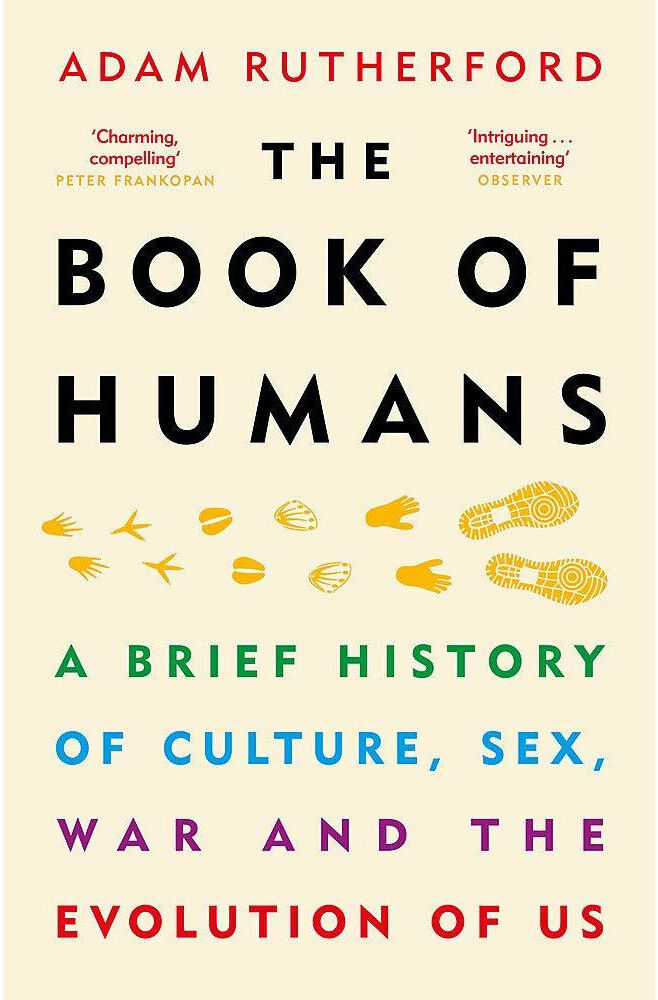
Orion The Book of Humans by Adam Rutherford – A Brief History of Culture, Sex, War & EvolutionWHAT MAKES US HUMAN? Waging war? Sex for pleasure? Creating art? Mastery of fire? In this thrilling tour of the animal kingdom, Adam Rutherford tells the story of how we became the unique creatures we are today. Illuminated by the latest scientific discoveries, THE BOOK OF HUMANS is a dazzling compendium of what unequivocally fixes us as animals, and reveals how we are extraordinary among them.4,98 £*Shipping: 1,99 £Secure redirect to the provider
-
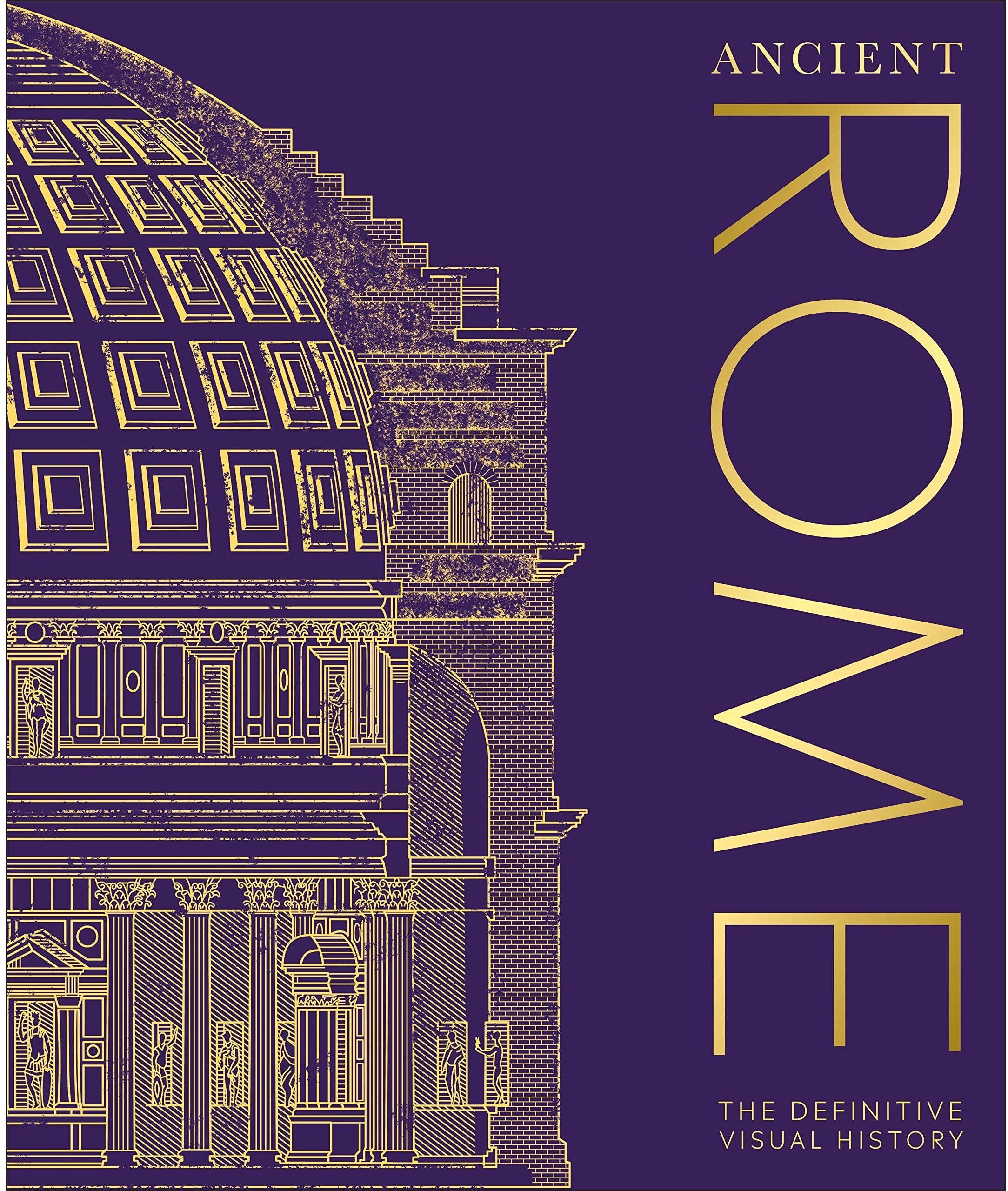
Ancient Rome: The Definitive Visual History (DK Classic History)Immerse yourself in the history of ancient Rome - from its origins as a small settlement on the Palatine Hill to its peak as an empire reigning over 90 million people, and its tumultuous decline. Covering more than 1,000 years of history, and an empire that stretched from Scotland to Syria, Ancient Rome reveals in vivid detail all of the key political, cultural, and military events that shaped the Roman Empire and explores what it was like to live in a society that laid the foundations for many aspects of the modern world. Sumptuous photography and engaging text cover every facet of life in ancient Rome, from art, entertainment, and fashion to engineering, medicine, and war, while detailed maps trace the rise of the mighty Roman Empire. Step back in time in the pages of this history book to discover:- Themed spreads explore developments in areas such as sculpture, religion, warfare, and engineering. - Includes tales of the most dramatic events and battles in Roman history, as well as profiles of influential historical and cultural figures. - An optional 80pp reference section includes sections on rulers, gods and goddesses, and key sites. Featuring Rome's greatest emperors, from Augustus to Constantine, as well as profiles of generals, historians, and influential women, Ancient Rome also delves into the fascinating stories of gladiators, bakers, and enslaved people. The most iconic buildings of Rome are brought to life with specially commissioned CGI recreations, while the stories of ordinary citizens, soldiers, and persecuted groups from across the empire are told with the help of illustrations, artefacts, and eyewitness accounts. Beautifully illustrated and unparalleled in scope, Ancient Rome is the perfect book for anyone who is interested in this defining period of world history.19,95 £*Shipping: 2,99 £Secure redirect to the provider
-
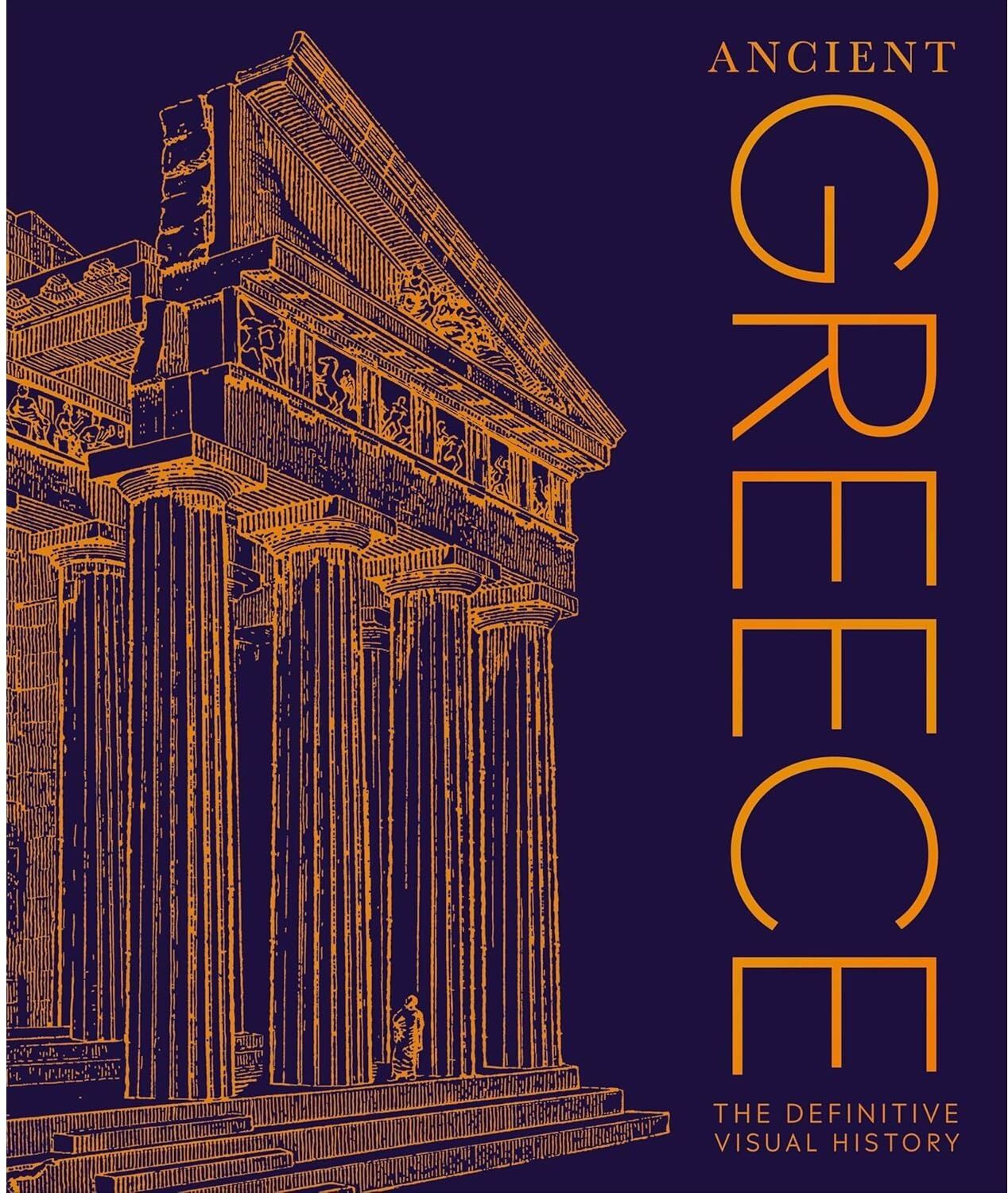
Ancient Greece: The Definitive Visual History (DK Classic History)Embark upon a fascinating journey through ancient Greece – from its rise and fall to its lasting legacy throughout the Western world. Spanning more than 3,000 years, Ancient Greece explores the tumultuous history of this glorious empire in vivid detail – from its Minoan and Mycenaean origins to the apogee of the warring city-states of Athens and Sparta, and from the death of its most charismatic leader, Alexander the Great, to its ultimate defeat by Rome. Sumptuous photography and authoritative, engaging text cover every facet of life in ancient Greece, from art, entertainment, and schools of thought to politics, medicine, and war, while the myths and religious beliefs of the ancient culture are explored and explained in depth. Greece’s military and political power shines through in fascinating maps of its legendary battles. Buried palaces and the Athenian Agora where Plato and Socrates discussed philosophy are brought back to life with stunning CGI artworks. And the stories of everyone from ordinary citizens to lawmakers and the first Olympic athletes are retold through eyewitness accounts and original artefacts.19,99 £*Shipping: 2,99 £Secure redirect to the provider

-
Does genome mean the same as chromosome set?
No, genome and chromosome set are not the same. A genome refers to the complete set of genetic material (DNA) in an organism, including all of its genes. On the other hand, a chromosome set refers to the specific number and types of chromosomes present in a cell. While the genome includes all the genetic information, the chromosome set is a physical structure made up of DNA and proteins that carries the genetic information. **
-
What is the difference between DNA and genome?
DNA, or deoxyribonucleic acid, is a molecule that carries the genetic instructions for the development, functioning, growth, and reproduction of all living organisms. It is a long, double-stranded molecule that is found in the cells of all living organisms. On the other hand, a genome refers to the complete set of an organism's DNA, including all of its genes and non-coding sequences. In other words, DNA is the individual molecule that carries genetic information, while the genome is the entire collection of an organism's genetic material. **
-
What is a genome mutation in a zygote?
A genome mutation in a zygote is a change in the DNA sequence that occurs at the moment of fertilization when the sperm and egg combine to form a single cell. This mutation can be a result of errors in DNA replication, exposure to mutagens, or other environmental factors. These mutations can lead to genetic disorders or variations in the offspring's traits. **
-
What are the functions of genome mutation in biology?
Genome mutations play a crucial role in biological evolution by introducing genetic diversity within a population. This diversity allows for the adaptation of organisms to changing environments and the development of new traits. Mutations also contribute to genetic variation, which is essential for natural selection to act upon. Additionally, mutations can lead to the development of new species over time, contributing to the overall biodiversity of life on Earth. **

How can different genome sizes in bacteria be explained?
Different genome sizes in bacteria can be explained by a variety of factors, including the bacteria's ecological niche, evolutionary history, and genetic complexity. Bacteria that live in stable environments may have smaller genomes, as they may not need as many genes to adapt to changing conditions. On the other hand, bacteria that live in diverse or challenging environments may have larger genomes with more genes for adaptation and survival. Additionally, bacteria that have undergone extensive horizontal gene transfer or have symbiotic relationships with other organisms may have larger genomes due to the acquisition of additional genetic material. Overall, the genome size of bacteria is a reflection of their evolutionary and ecological context. **
When will the viral genome be cut with CRISPR-Cas?
The viral genome will be cut with CRISPR-Cas when the Cas protein, guided by the CRISPR RNA, recognizes the specific target sequence on the viral genome. Once the Cas protein binds to the target sequence, it will create a double-strand break in the viral DNA, effectively cutting the genome. This process can occur at any time after the CRISPR-Cas system has been activated and the Cas protein has located the target sequence on the viral genome. **
Top-Angebote
Products related to Genome:
-
Icon Books Junk DNA: A Journey Through the Dark Matter of the Genome by Nessa CareyFor decades, 98 per cent of our DNA was written off as junk on the grounds that it did not code for proteins.From rare genetic diseases to Down s Syndrome, from viral infections to the ageing process, only now are the effects and the vital functions of these junk regions beginning to emerge.Scientists rapidly growing knowledge of this often controversial field has already provided a successful cure for blindness and saved innocent people from death row via DNA fingerprinting, and looks set to revolutionise treatment for many medical conditions including obesity.From Nessa Carey, author of the acclaimed The Epigenetics Revolution, this is the first book for a general readership on a subject that may underpin the secrets of human complexity even the very origins of life on earth.6,45 £*Shipping: 2,99 £Secure redirect to the provider
-
From the Archives: Black History and Culture Value PackThis brand-new series is rooted in a profound commitment to shedding light on some of the important -- and often lesser-known -- aspects of Black history. From the Archives features landmarks, events, people, and artistic endeavors that have played...26,99 $*Shipping: 0,00 $Secure redirect to the provider
-
Orion The Book of Humans by Adam Rutherford – A Brief History of Culture, Sex, War & EvolutionWHAT MAKES US HUMAN? Waging war? Sex for pleasure? Creating art? Mastery of fire? In this thrilling tour of the animal kingdom, Adam Rutherford tells the story of how we became the unique creatures we are today. Illuminated by the latest scientific discoveries, THE BOOK OF HUMANS is a dazzling compendium of what unequivocally fixes us as animals, and reveals how we are extraordinary among them.4,98 £*Shipping: 1,99 £Secure redirect to the provider
-
What is a mitochondrial genome?
A mitochondrial genome is the genetic material found within the mitochondria, which are small structures within cells that are responsible for producing energy. Unlike the nuclear genome, which is inherited from both parents, the mitochondrial genome is inherited exclusively from the mother. It is a circular piece of DNA that contains genes necessary for the mitochondria to function, including those involved in energy production and metabolism. Mutations in the mitochondrial genome can lead to a variety of genetic disorders and diseases. **
-
What is the Human Genome Project?
The Human Genome Project was an international scientific research project that aimed to map and understand all the genes of the human species. It was completed in 2003 and involved identifying and sequencing the approximately 20,000-25,000 genes in human DNA. The project provided a foundation for understanding the genetic basis of human biology and disease, and has led to advances in personalized medicine, genetic testing, and gene therapy. The Human Genome Project has had a profound impact on the field of genetics and has paved the way for further research into the human genome. **
-
Does genome mean the same as chromosome set?
No, genome and chromosome set are not the same. A genome refers to the complete set of genetic material (DNA) in an organism, including all of its genes. On the other hand, a chromosome set refers to the specific number and types of chromosomes present in a cell. While the genome includes all the genetic information, the chromosome set is a physical structure made up of DNA and proteins that carries the genetic information. **
-
What is the difference between DNA and genome?
DNA, or deoxyribonucleic acid, is a molecule that carries the genetic instructions for the development, functioning, growth, and reproduction of all living organisms. It is a long, double-stranded molecule that is found in the cells of all living organisms. On the other hand, a genome refers to the complete set of an organism's DNA, including all of its genes and non-coding sequences. In other words, DNA is the individual molecule that carries genetic information, while the genome is the entire collection of an organism's genetic material. **
Similar search terms for Genome
-
Ancient Rome: The Definitive Visual History (DK Classic History)Immerse yourself in the history of ancient Rome - from its origins as a small settlement on the Palatine Hill to its peak as an empire reigning over 90 million people, and its tumultuous decline. Covering more than 1,000 years of history, and an empire that stretched from Scotland to Syria, Ancient Rome reveals in vivid detail all of the key political, cultural, and military events that shaped the Roman Empire and explores what it was like to live in a society that laid the foundations for many aspects of the modern world. Sumptuous photography and engaging text cover every facet of life in ancient Rome, from art, entertainment, and fashion to engineering, medicine, and war, while detailed maps trace the rise of the mighty Roman Empire. Step back in time in the pages of this history book to discover:- Themed spreads explore developments in areas such as sculpture, religion, warfare, and engineering. - Includes tales of the most dramatic events and battles in Roman history, as well as profiles of influential historical and cultural figures. - An optional 80pp reference section includes sections on rulers, gods and goddesses, and key sites. Featuring Rome's greatest emperors, from Augustus to Constantine, as well as profiles of generals, historians, and influential women, Ancient Rome also delves into the fascinating stories of gladiators, bakers, and enslaved people. The most iconic buildings of Rome are brought to life with specially commissioned CGI recreations, while the stories of ordinary citizens, soldiers, and persecuted groups from across the empire are told with the help of illustrations, artefacts, and eyewitness accounts. Beautifully illustrated and unparalleled in scope, Ancient Rome is the perfect book for anyone who is interested in this defining period of world history.19,95 £*Shipping: 2,99 £Secure redirect to the provider
-
Ancient Greece: The Definitive Visual History (DK Classic History)Embark upon a fascinating journey through ancient Greece – from its rise and fall to its lasting legacy throughout the Western world. Spanning more than 3,000 years, Ancient Greece explores the tumultuous history of this glorious empire in vivid detail – from its Minoan and Mycenaean origins to the apogee of the warring city-states of Athens and Sparta, and from the death of its most charismatic leader, Alexander the Great, to its ultimate defeat by Rome. Sumptuous photography and authoritative, engaging text cover every facet of life in ancient Greece, from art, entertainment, and schools of thought to politics, medicine, and war, while the myths and religious beliefs of the ancient culture are explored and explained in depth. Greece’s military and political power shines through in fascinating maps of its legendary battles. Buried palaces and the Athenian Agora where Plato and Socrates discussed philosophy are brought back to life with stunning CGI artworks. And the stories of everyone from ordinary citizens to lawmakers and the first Olympic athletes are retold through eyewitness accounts and original artefacts.19,99 £*Shipping: 2,99 £Secure redirect to the provider
-
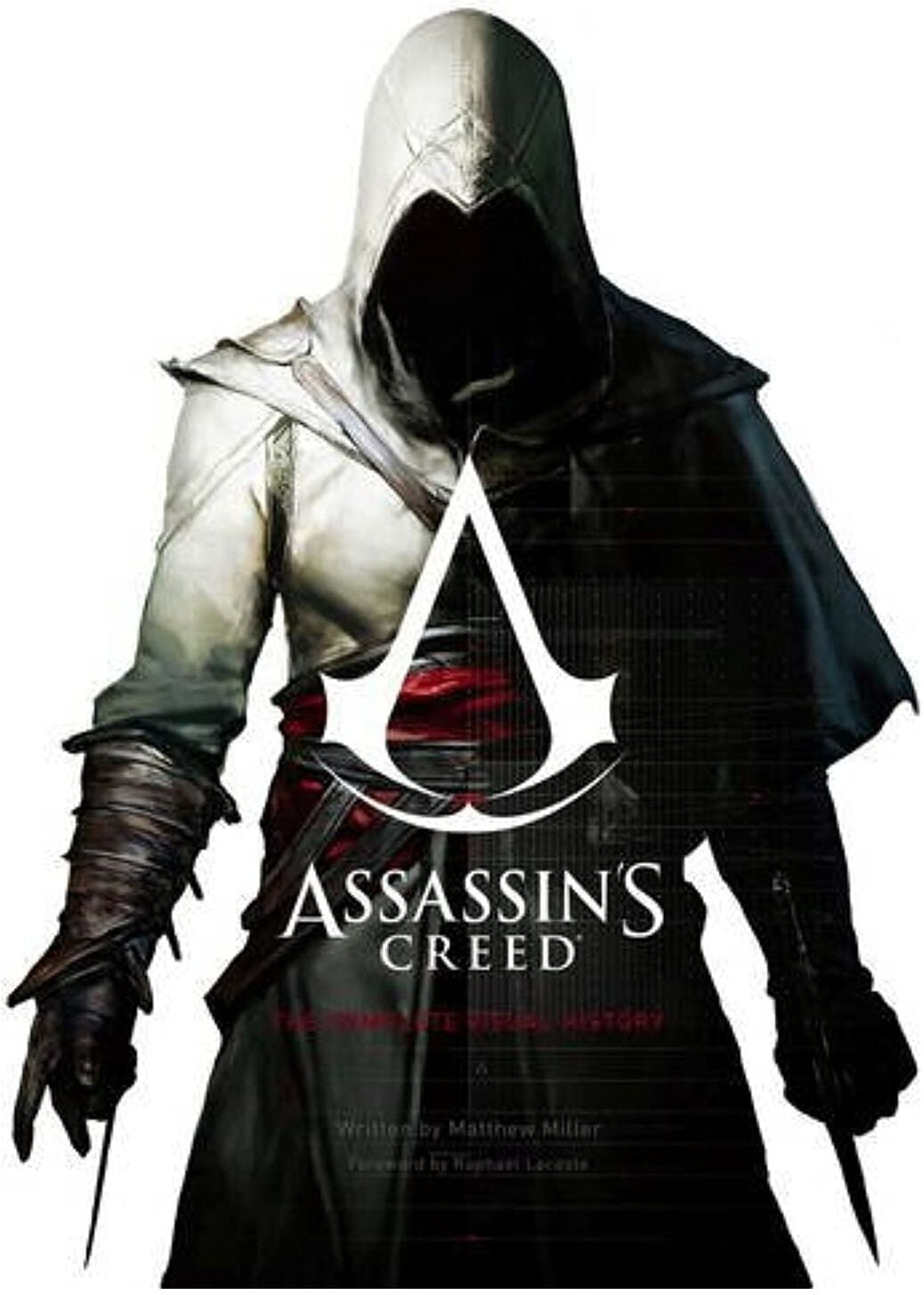
Titan Assassins Creed - The Complete Visual History: The Definitive Visual HistoryThis stunning book explores the rich mythology of Assassins Creed®, featuring the art and history of the series from the first groundbreaking game through the graphic novels to the DLCs. Highlighting the lush and vibrant art that has become a hallmark of the series, this luxury coffee-table book brings the games famous historical locations and figures to life and explores the evolution of each iconic Assassin and Templar.15,99 £*Shipping: 2,99 £Secure redirect to the provider
-
What is a genome mutation in a zygote?
A genome mutation in a zygote is a change in the DNA sequence that occurs at the moment of fertilization when the sperm and egg combine to form a single cell. This mutation can be a result of errors in DNA replication, exposure to mutagens, or other environmental factors. These mutations can lead to genetic disorders or variations in the offspring's traits. **
-
What are the functions of genome mutation in biology?
Genome mutations play a crucial role in biological evolution by introducing genetic diversity within a population. This diversity allows for the adaptation of organisms to changing environments and the development of new traits. Mutations also contribute to genetic variation, which is essential for natural selection to act upon. Additionally, mutations can lead to the development of new species over time, contributing to the overall biodiversity of life on Earth. **
-
How can different genome sizes in bacteria be explained?
Different genome sizes in bacteria can be explained by a variety of factors, including the bacteria's ecological niche, evolutionary history, and genetic complexity. Bacteria that live in stable environments may have smaller genomes, as they may not need as many genes to adapt to changing conditions. On the other hand, bacteria that live in diverse or challenging environments may have larger genomes with more genes for adaptation and survival. Additionally, bacteria that have undergone extensive horizontal gene transfer or have symbiotic relationships with other organisms may have larger genomes due to the acquisition of additional genetic material. Overall, the genome size of bacteria is a reflection of their evolutionary and ecological context. **
-
When will the viral genome be cut with CRISPR-Cas?
The viral genome will be cut with CRISPR-Cas when the Cas protein, guided by the CRISPR RNA, recognizes the specific target sequence on the viral genome. Once the Cas protein binds to the target sequence, it will create a double-strand break in the viral DNA, effectively cutting the genome. This process can occur at any time after the CRISPR-Cas system has been activated and the Cas protein has located the target sequence on the viral genome. **
* All prices are inclusive of VAT and, if applicable, plus shipping costs. The offer information is based on the details provided by the respective shop and is updated through automated processes. Real-time updates do not occur, so deviations can occur in individual cases. ** Note: Parts of this content were created by AI.